Academic Emergency Support Program – In a landmark initiative addressing the educational crisis triggered by ongoing geopolitical instability, United Students Ukraine has joined forces with several European Union bodies to launch a comprehensive Academic Emergency Support Program. This effort is designed to provide immediate and sustainable academic relief for Ukrainian students affected by war and displacement. With thousands of students facing interruptions in their education, this collaboration aims to restore hope and offer continuity in academic development during turbulent times.The program, launched in July 2025, brings together the expertise of international education councils, Ukrainian academic institutions, and EU humanitarian bodies. It targets both high school and university-level students with emergency support services ranging from online learning tools to scholarships, relocation assistance, and mental health resources.
What is the Academic Emergency Support Program?
The Academic Emergency Support Program is a structured relief initiative launched to support Ukrainian students who are unable to pursue or continue their education due to the war. It emphasizes continuity in learning, skill development, and well-being.
Key Features of the Program:
- Immediate access to online education platforms supported by EU universities.
- Full and partial scholarships for displaced students enrolling in European institutions.
- Student relocation programs with housing and visa support.
- Trauma counseling and mental health services in native languages.
- Vocational and language training for integration into EU academic environments.
- Priority enrollment in universities across 12 European nations.
- Monthly academic stipends for eligible students.
Participating Organizations and Funding Bodies
Several key organizations have come together to ensure the smooth rollout and sustainability of this program. EU bodies have committed logistical and financial support, while Ukrainian partners are helping with student verification and outreach.
Major Participating Organizations Include:
- European Commission for Education, Youth and Sport
- European Student Union
- United Students Ukraine
- Ukrainian Ministry of Education and Science
- UNICEF Europe Division
- Erasmus+ National Agencies
- German Academic Exchange Service (DAAD)

Funding Snapshot (2025–2026)
| Funding Source | Amount Pledged (in €) | Primary Usage |
|---|---|---|
| EU Humanitarian Fund | €120 million | Scholarships, mental health, logistics |
| Erasmus+ Extension Program | €55 million | Cross-border university partnerships |
| DAAD + National Agencies | €30 million | Language and vocational training |
| Private Philanthropy Network | €18 million | Emergency housing & counseling services |
How Will Students Apply?
Ukrainian students currently residing in Ukraine, EU countries, or transitional shelters can apply through a centralized online portal created under the initiative. The process is being designed to be simple and inclusive.
Application Process Overview:
- Visit the official portal: www.studentsukraine-eusupport.org
- Register with passport or national ID (or provisional documents).
- Submit academic transcripts or declaration form.
- Choose the type of support (e.g., online learning, relocation, scholarships).
- Participate in a short virtual orientation with support volunteers.
- Receive final decision via email within 14–21 days.
Impact Goals and Targeted Beneficiaries
This program aims to impact over 100,000 students over the next 18 months, with a specific focus on final-year students, displaced minors, and those in high-risk conflict zones. Priority will also be given to orphans, children with disabilities, and female students.
Projected Outcomes by December 2026:
- 50,000 students enrolled in EU institutions.
- 30,000 students receiving monthly stipends.
- 10,000 relocated students with full support.
- 8,000 students benefitting from trauma recovery programs.
- 500+ institutions across 12 countries actively participating.
Challenges and EU Response Strategy
While the initiative is promising, it is not without hurdles. Bureaucratic delays, language barriers, and emotional trauma are some of the major challenges. EU partners are putting special focus on multilingual support, fast-tracked visas, and pre-academic training to ensure students do not fall behind.
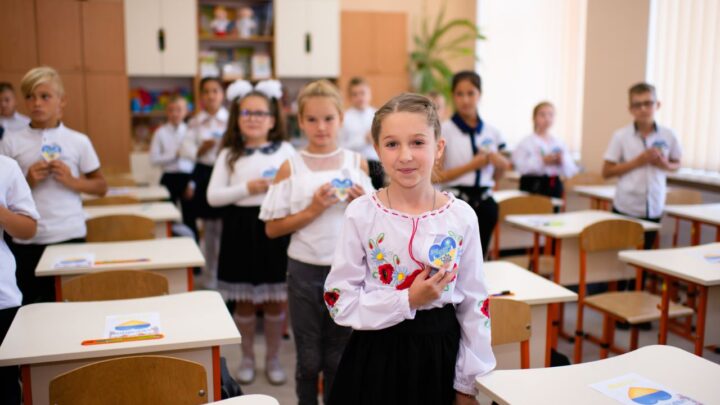
EU Response Highlights:
- Setting up multilingual help desks in Poland, Romania, and Germany.
- Collaboration with airlines and train services for free student transport.
- 24/7 support centers with mental health counselors.
- Introducing temporary academic credits to help students pick up where they left off.
Long-Term Vision and Legacy
Although the current focus is emergency support, the program is laying the foundation for a Pan-European Academic Integration Model, allowing students from conflict zones anywhere in the world to seek support within days.
The EU has also hinted that the model may be institutionalized under the Erasmus+ umbrella for global crises. This could reshape how Europe approaches refugee and emergency education long-term.
FAQs
1. Who is eligible for the Academic Emergency Support Program?
Ukrainian students enrolled or intending to enroll in high school or higher education, both inside and outside Ukraine, are eligible.
2. Can I apply if I do not have all my documents due to displacement?
Yes, provisional documentation and declarations are accepted under special circumstances.
3. Is there an age limit for application?
No fixed age limit exists, but the primary focus is on students aged 14 to 28.
4. Will the scholarship cover living expenses too?
Yes, selected students will receive monthly academic stipends which may cover rent, food, and transport.
5. How long will the support continue?
Support is offered for a minimum of 12 months, with renewal possibilities depending on the situation and performance.